U.S. Producers Seek AD/CVD Duties on Corrugated Pizza Boxes from China, Malaysia and Turkey
Corrugated Pizza Boxes Antidumping Duties: What Importers Need to Know Corrugated pizza boxes antidumping duties are now being sought on […]

Corrugated Pizza Boxes Antidumping Duties: What Importers Need to Know Corrugated pizza boxes antidumping duties are now being sought on […]
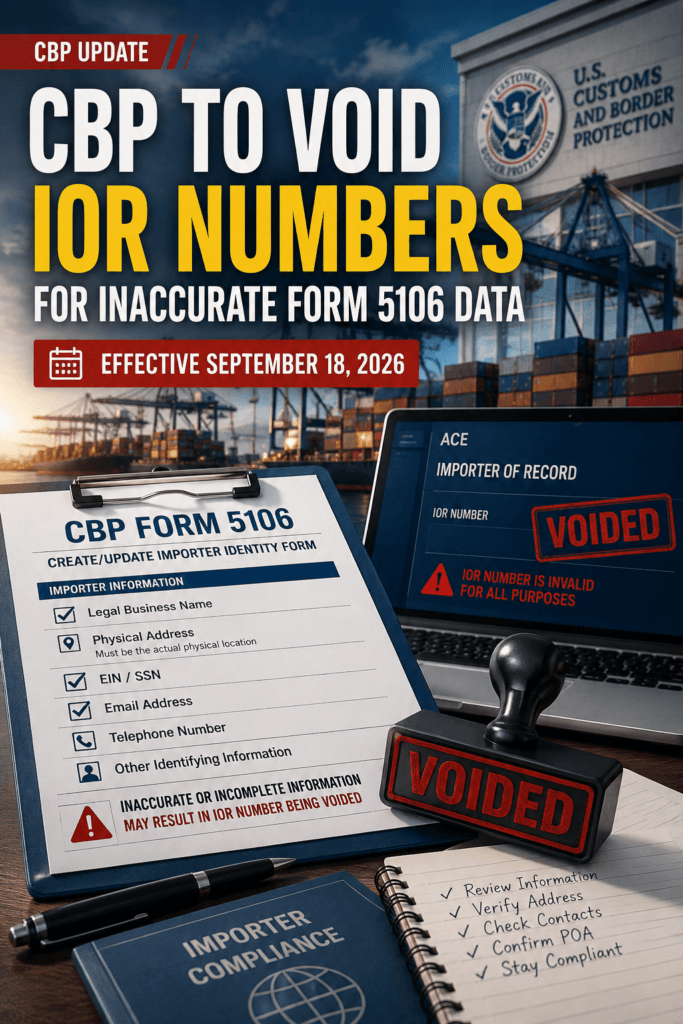
CBP Form 5106 IOR Accuracy: What Is Changing? CBP Form 5106 IOR accuracy is becoming a bigger issue for U.S.
CBP has issued filing guidance for the new 50% Section 338 tariffs on certain Canadian goods. Here’s what importers and brokers need to know.

The Trump administration signed a new Customs Enforcement Executive Order that could reshape importing, customs broker due diligence, importer eligibility, and bond requirements. Here’s what importers need to know.
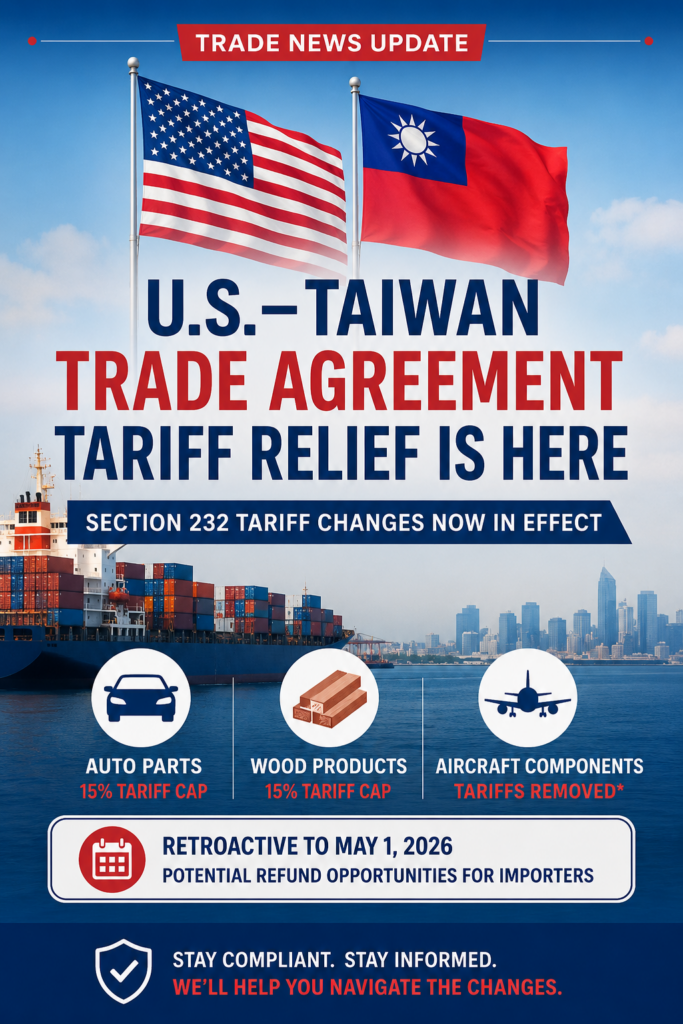
The U.S. has implemented new Section 232 tariff relief for Taiwan-origin automotive parts, wood products, and aircraft components. Some importers may qualify for refunds retroactive to May 1, 2026. Here’s what changed and what importers should do next.

Starting July 8, 2026, importers of regulated consumer products must electronically submit CPSC certificate data through ACE. Here is a simple guide explaining who is affected, what information is required, and how to prepare before enforcement begins.
The U.S. Court of International Trade ruled Trump’s 10% Section 122 tariffs unlawful, but the decision currently applies only to the plaintiffs involved in the case. Most importers are still subject to the duties while appeals continue.

Many CAPE refund claims are being rejected due to avoidable mistakes. Here are the most common CAPE refund rejection reasons and how importers and brokers can fix them.

The new IEEPA refunds CAPE portal gives importers and brokers the first real path to recover emergency tariff duties through ACE. Here’s exactly how Phase 1 works.
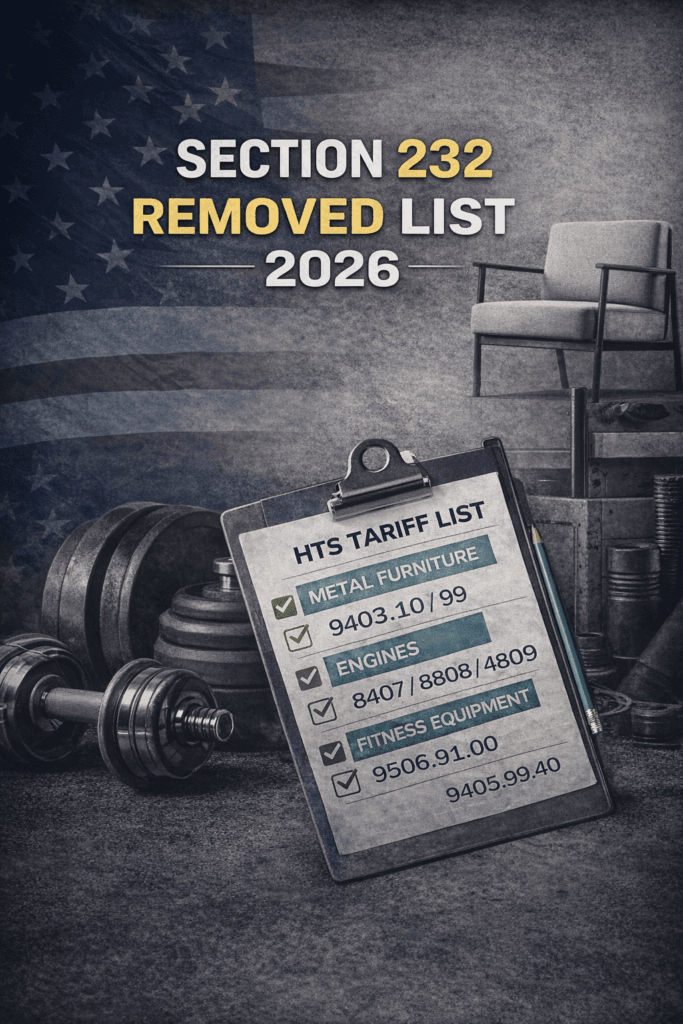
The Section 232 removed products list expanded under Annex II, removing furniture, engines, lighting, motorcycle, and gym HTS codes from metals tariffs.
A major new Section 232 proclamation changes how tariffs are calculated on steel, aluminum, copper, and derivative products. The update introduces a value-based tariff framework with rates ranging from 10% to 50%, while exempting products with 15% or less metal content.
The Section 301 investigations 2026 launched by the U.S. Trade Representative target 16 major economies, including China, the European Union, Japan, and India, over concerns about global manufacturing overcapacity and trade imbalances. While no tariffs have been imposed yet, the investigation could lead to future U.S. trade actions affecting key sectors such as steel, automobiles, electronics, semiconductors, machinery, and batteries.
The IEEPA tariffs court order issued on March 4, 2026 is already sending waves across the international trade community. The
The U.S. Court of Appeals for the Federal Circuit has sent the IEEPA tariff case back to the Court of International Trade, where refund procedures for affected importers may now begin.
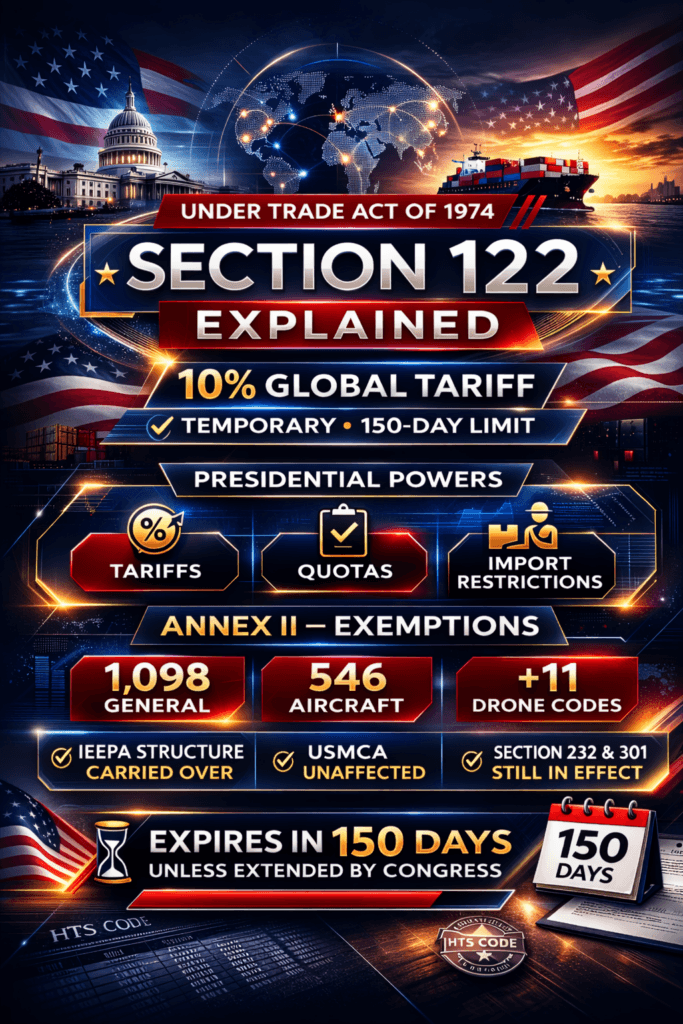
Section 122 exemptions under the new 15% surcharge closely replicate the prior IEEPA exclusion structure, with limited technical changes affecting drones, semiconductors, and printed matter.

President Trump announced a 10% Section 122 global tariff after the Supreme Court ruled that IEEPA cannot be used to impose broad import duties. The new measure replaces the previously discussed reciprocal tariff framework and consolidates it into a flat global rate. Section 232 and Section 301 tariffs remain in effect. For importers, this shifts the legal authority but not the cost exposure. Companies should review landed cost models, open purchase orders, and contract structures as implementation details are expected soon.

Supreme Court Emergency Tariffs Ruling: IEEPA Tariffs Declared Illegal The Supreme Court emergency tariffs ruling marks one of the most

U.S. Removes 25% Tariff on Indian Imports, Introduces New 18% Reciprocal Duty

Trump Greenland tariffs were announced Saturday after President Donald Trump said the U.S. would impose new duties on Denmark and

A new Section 232 action on critical minerals could lead to tariffs, price floors, or import controls in 2026. Importers relying on mineral-dependent products should assess risk now.

The U.S. Supreme Court delayed its decision on Trump-era tariffs. Here’s what the ruling could mean for importers, refunds, and trade policy.

Former President Donald Trump announced a new 25% tariff targeting countries that continue doing business with Iran, calling the decision final and immediate.
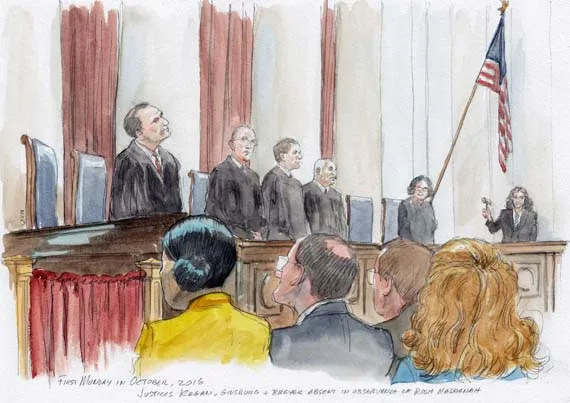
The U.S. Supreme Court did not issue an expected decision on tariffs on January 9. The delay has raised questions for businesses and importers watching closely for what comes next.
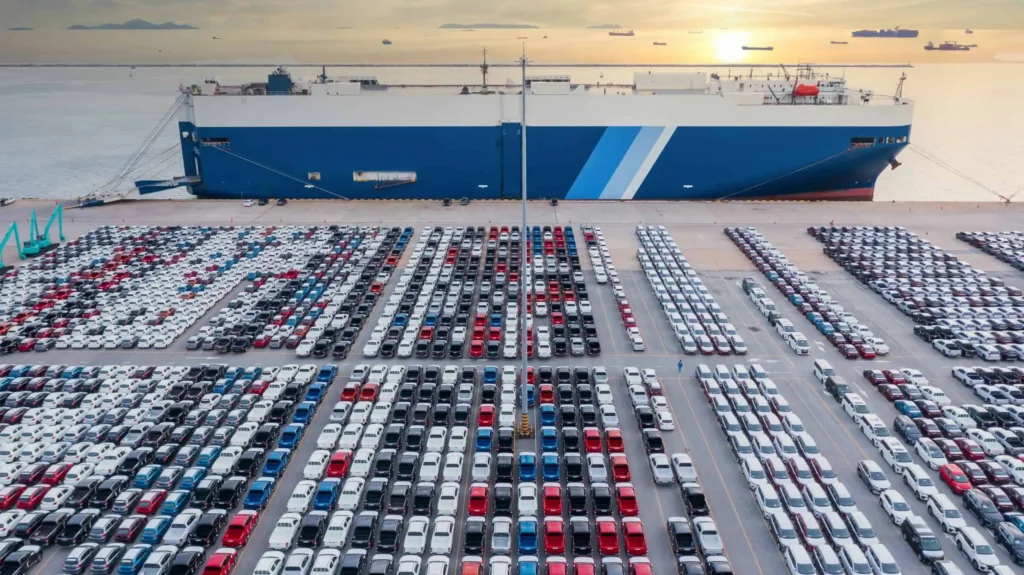
Importing a car into the United States is not just about shipping a vehicle overseas — it is a regulated

Trump delays planned lumber tariff increases. Learn how the policy affects imports, housing costs, furniture prices, and trade.

Mandatory CPSC eFiling Deadline Nears for U.S. Importers

The United States has revised tariff treatment for goods imported from Switzerland and Liechtenstein under a new bilateral trade framework. The changes introduce a 15% duty cap and apply retroactively to qualifying entries made on or after November 14, 2025.

CIT Slip Op. 25-154 suggests liquidation won’t bar IEEPA tariff refunds for pending cases due to judicial estoppel—yet warns protests may not be enough.

The United States and South Korea have finalized the Korea Strategic Trade & Investment Deal, and CBP has now issued

Costco Sues U.S. Government to Recover Millions in Trump-Era Tariffs

Imports most at risk of liquidating before the U.S. Supreme Court issues a final decision are entries subject to the

The U.S. Supreme Court is set to hear arguments on whether former President Trump’s use of the International Emergency Economic

Trump Xi trade deal 2025 — U.S.–China handshake on tariffs and rare earths

🚛 Truck & Bus Tariffs Hit Nov. 1 — What Fleets Need to Know Starting November 1, 2025, the U.S.
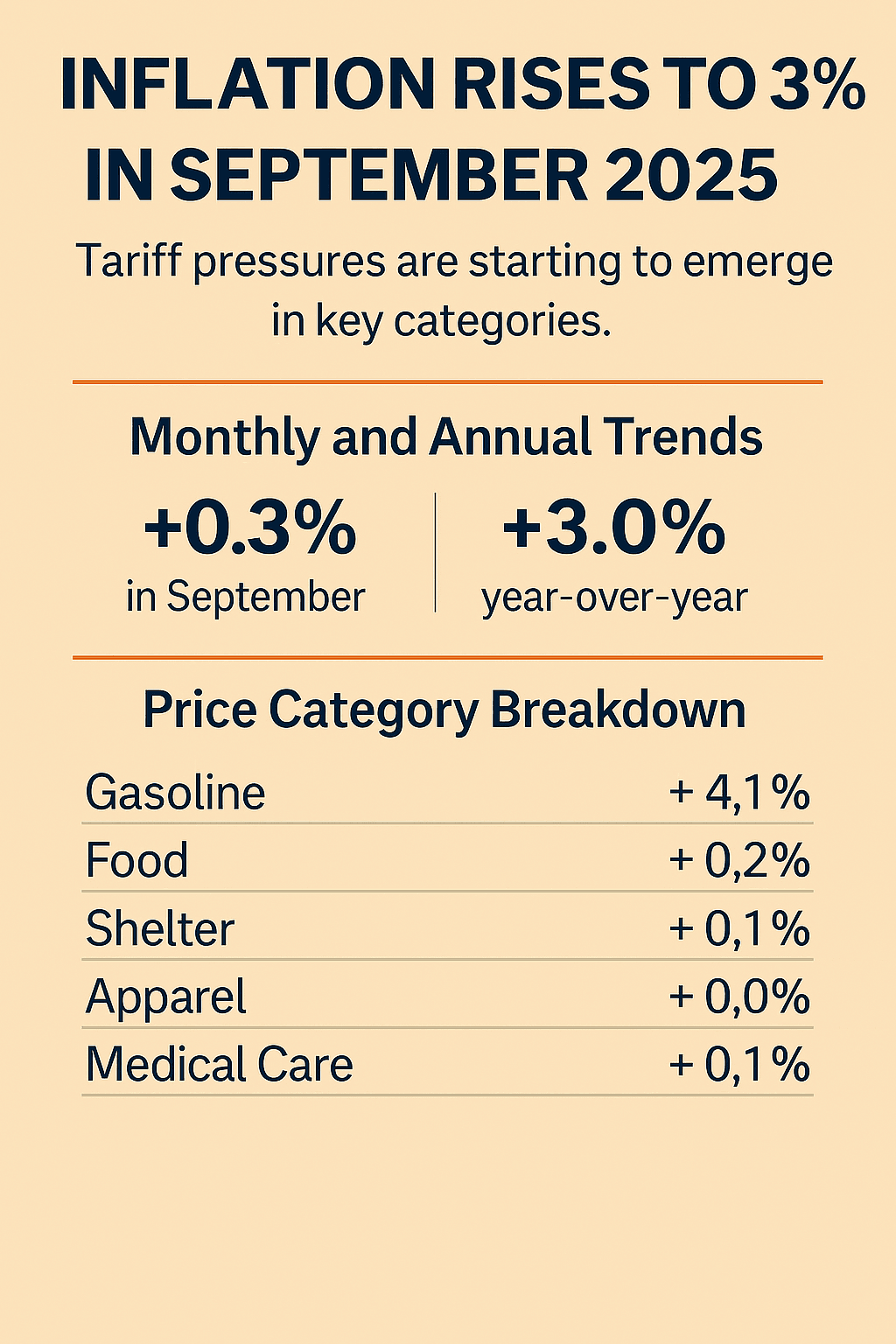
Tariff-related inflation is creeping in—here’s what the latest CPI data reveals. U.S. consumer prices continued their upward climb in September

📦 Quick Summary Beginning October 14, 2025, new Section 232 tariffs on timber, lumber, and finished wood products officially take

Introduction In October 2025, China announced sweeping new export controls over rare earth elements, technologies, and even foreign-made products that incorporate

What Happened Starting October 1, 2025, President Trump announced new tariffs: 👉 Official statements and details can be found on

What’s new:On August 6, 2025, President Trump signed Executive Order 14329, launching a new tariff measure under IEEPA (International Emergency

What happened:The Office of the U.S. Trade Representative (USTR) has extended Section 301 tariff exclusions for certain China-origin goods. Exclusions

The U.S. Supreme Court will hear a major case this November. The justices will decide if former President Donald Trump

On July 30, 2025, President Trump signed a proclamation that introduced a new copper import duty under Section 232 trade
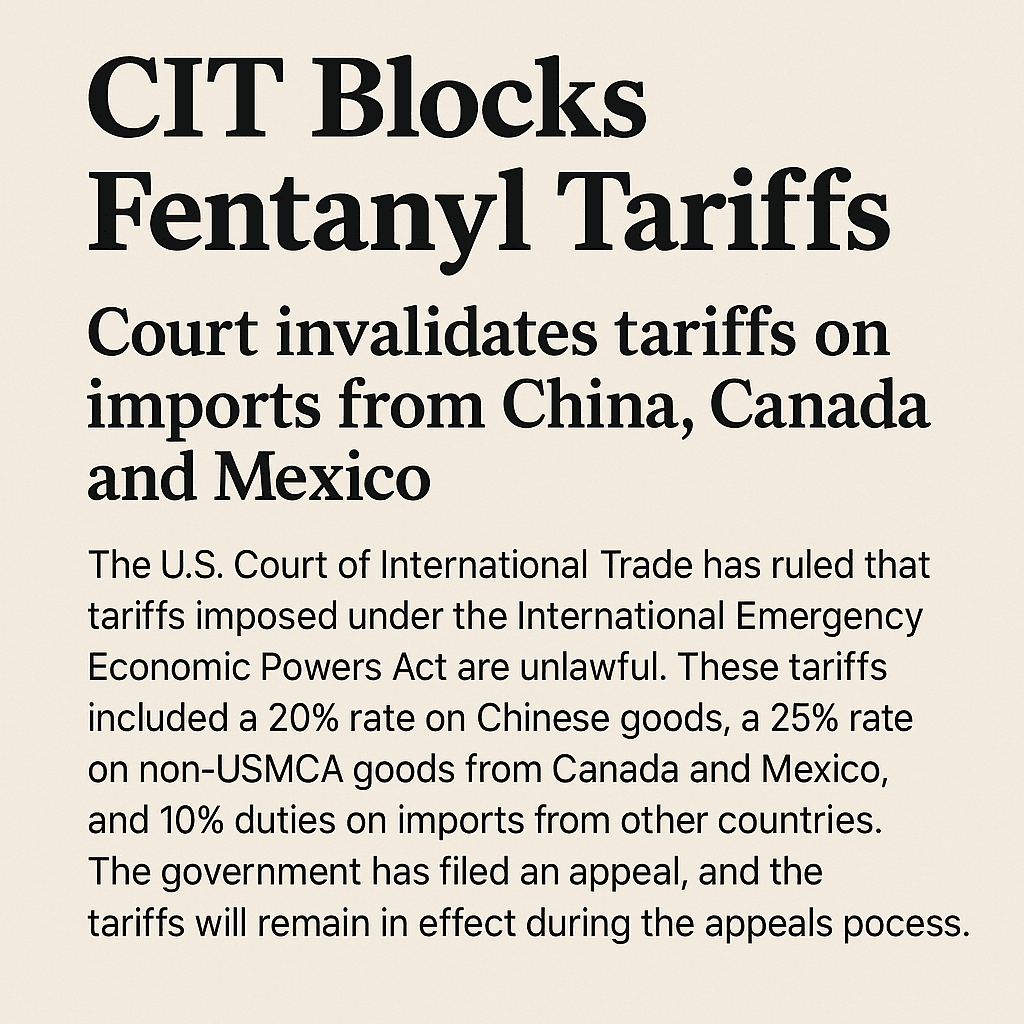
On May 28, the U.S. Court of International Trade (CIT) ruled that the fentanyl and reciprocal tariffs imposed on imports
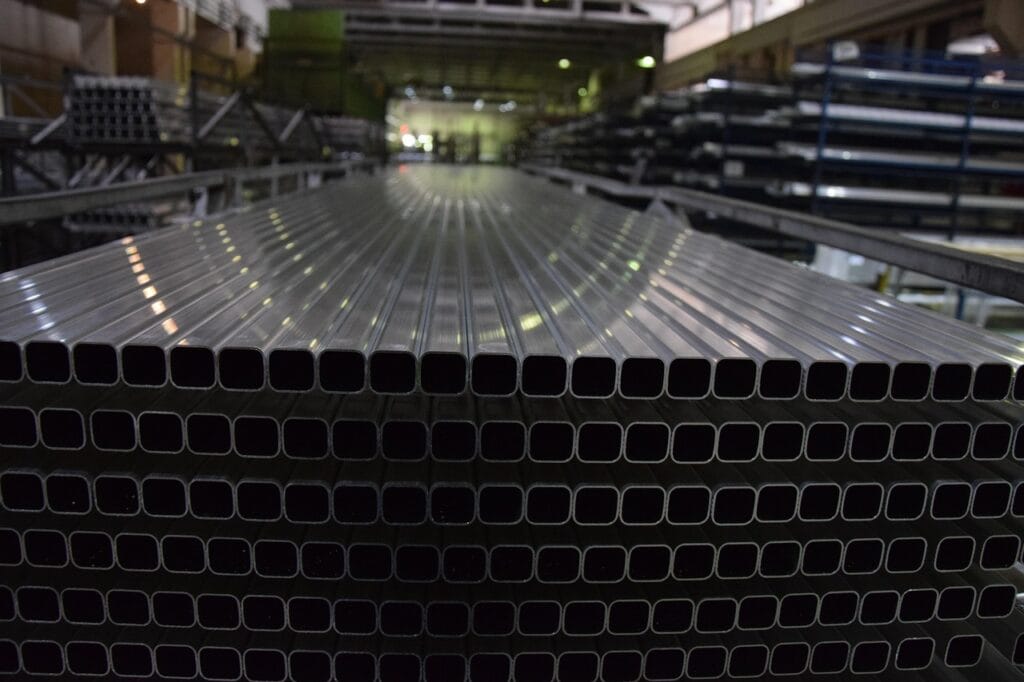
🔩 New U.S. Steel & Aluminum Tariffs Now in Effect — What You Need to Know As of March 12,

U.S. Raises Tariffs on China Over Synthetic Opioids – China Responds On March 3, 2025, the White House announced a

Duty Refunds for U.S. Vehicle Assemblers: What You Need to Know About New Auto Tariffs On April 29, 2025, President

🚨 CBP Ends Overlapping Tariffs: What Executive Order 14289 Means for Importers 📌 What’s New? On May 16, 2025, U.S.

On April 29, 2025, the U.S. government announced an amendment to its tariff policy on automobiles and automobile parts that will allow

📦 From China & Hong Kong (Under $800) 📦 From Other Countries (Excluding China/Hong Kong) A new 10%+ tariff will
In 2025, the U.S. government introduced several new trade rules and tariffs aimed at Chinese imports. These changes are still