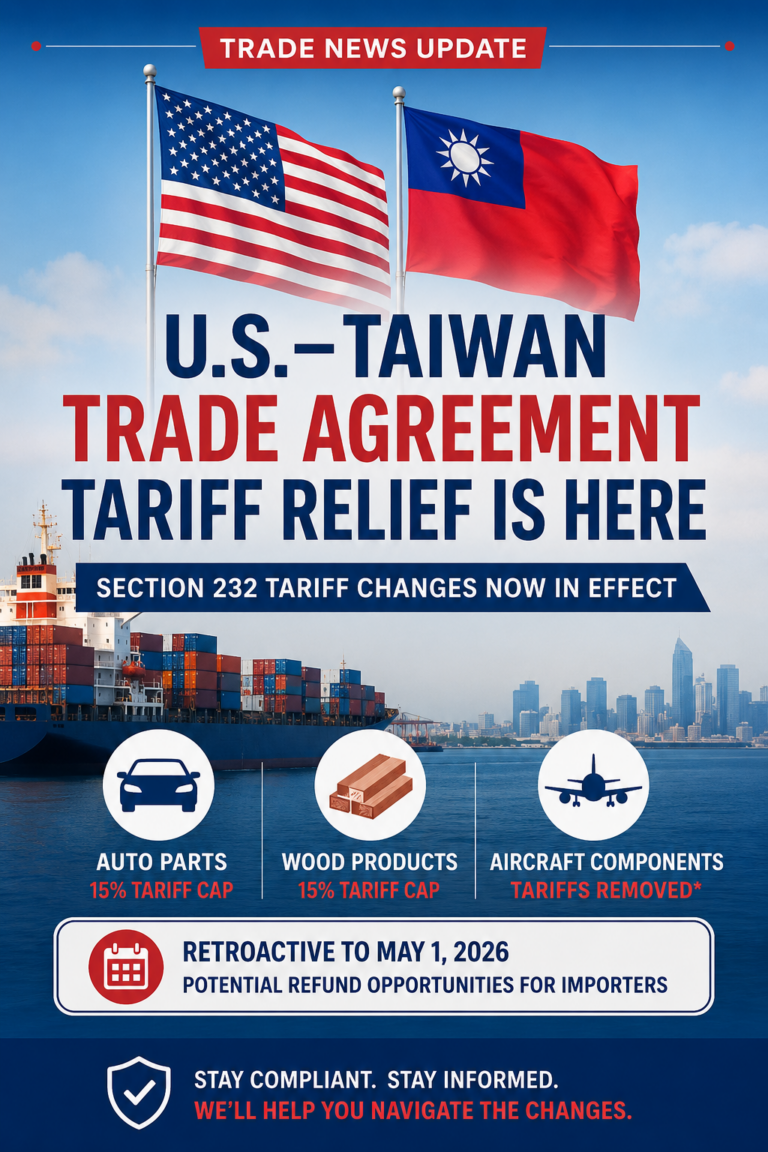


Trump lumber tariffs are back in focus after the White House announced a one-year delay on planned tariff increases affecting timber, lumber, and wood-based products imported into the United States.
Quick Summary
- The Trump administration delayed a planned tariff increase on lumber and wood products
- Current tariffs stay in place: 10% on raw lumber, 25% on furniture and cabinets
- Importers get short-term relief, but higher tariffs may still come in 2027
- Housing, furniture, and construction costs remain under pressure
What Changed?
The White House announced that planned increases in U.S. tariffs on timber, lumber, and wood-based products will be postponed for one year.
This decision was made by Donald J. Trump under Section 232 of the Trade Expansion Act, a law that allows trade restrictions when imports are considered a national security risk.
According to the official White House fact sheet, the tariff delay is intended to allow additional time for trade negotiations and supply chain adjustments.
What stays the same
- 10% tariff on imported raw softwood timber and lumber
- 25% tariff on finished wood products such as:
- Wooden furniture
- Kitchen cabinets
- Bathroom vanities
What was delayed
- A planned increase to:
- 30% on wooden furniture
- 50% on cabinets and vanities
These higher rates were scheduled for January 1, 2026 but are now postponed until January 1, 2027.
Why the U.S. Is Doing This
According to the White House, the U.S. relies too heavily on foreign lumber, especially for:
- Housing construction
- Infrastructure
- Critical supply chains
The administration argues that excessive imports:
- Weaken U.S. sawmills and manufacturers
- Create long-term supply risks
- Undermine domestic production capacity
The tariff delay is meant to:
- Keep pressure on foreign suppliers
- Allow more time for trade negotiations
- Avoid sudden price shocks in the U.S. economy
Tariff Snapshot: Before vs. Now
| Product Category | Tariff Before | Planned Jan 2026 | Tariff Now |
|---|---|---|---|
| Raw lumber & timber | 10% | 10% | 10% |
| Wooden furniture | 25% | 30% | 25% |
| Cabinets & vanities | 25% | 50% | 25% |
Impact on Trade and Supply Chains
Importers
- Immediate relief from higher duties
- Continued cost pressure at current rates
- Long-term uncertainty remains
Key trading partners
- Canada remains the largest supplier of U.S. lumber
- European and South American exporters may gain market share
- Trade negotiations are ongoing
Supply chain reality
- U.S. production cannot quickly replace imports
- Tariffs increase costs before domestic capacity expands
- Import-dependent industries remain exposed
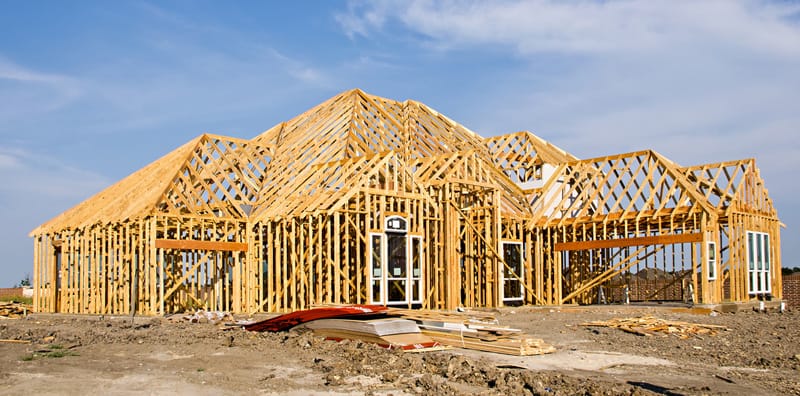
- Nearly all U.S. single-family homes use wood framing
- Lumber and wood products account for a significant share of home costs
- Tariffs increase:
- New home prices
- Renovation and remodeling costs
- Furniture prices
Builders warn that even small increases can:
- Delay construction projects
- Reduce housing affordability
- Push costs onto buyers
Industry Reactions
U.S. Lumber Producers
- Support the policy
- Say it protects domestic jobs
- Want stricter enforcement against subsidized imports
Homebuilders and Retailers
- Concerned about higher costs
- Say tariffs worsen housing affordability
- Warn that supply gaps remain
Importers and Distributors
- Welcome the delay
- Still cautious about 2027 risks
- Adjusting sourcing strategies
What Importers Should Do Now
- Review exposure to wood-based products
- Monitor tariff changes and trade talks
- Reassess pricing and contracts for 2026–2027
- Plan for possible future duty increases
Bottom Line
The U.S. has not removed lumber tariffs, but it has pressed pause on making them harsher. The decision to delay Trump lumber tariffs provides short-term relief for importers but leaves long-term uncertainty for global trade and U.S. housing costs.
For now:
- Importers avoid a major cost spike
- Domestic producers remain protected
- Consumers still face elevated prices
The real question is what happens in 2027 — whether trade talks succeed or higher tariffs return.
What Happens Next?
Trade negotiations between the United States and major lumber-exporting countries are expected to continue throughout 2026. If no agreement is reached, higher Trump lumber tariffs could return in 2027, increasing costs for importers, builders, and consumers. While Trump lumber tariffs remain unchanged for now, importers and builders are closely watching trade negotiations that could determine whether higher tariffs return in 2027.
Importers should closely monitor regulatory updates and prepare for potential duty increases by reviewing contracts, pricing strategies, and sourcing options.
Need Help or Have Questions?
For more updates on U.S. trade policy and import regulations, visit our Trade News section.
If you import lumber, furniture, or wood products and need guidance on tariffs, duties, or compliance, contact us anytime. We’re here to help you stay ahead of trade changes.