
New Executive Order Could Reshape How Companies Import Into the United States
The Trump administration has announced one of the biggest customs enforcement shifts in recent years—and importers and customs brokers should begin preparing now.
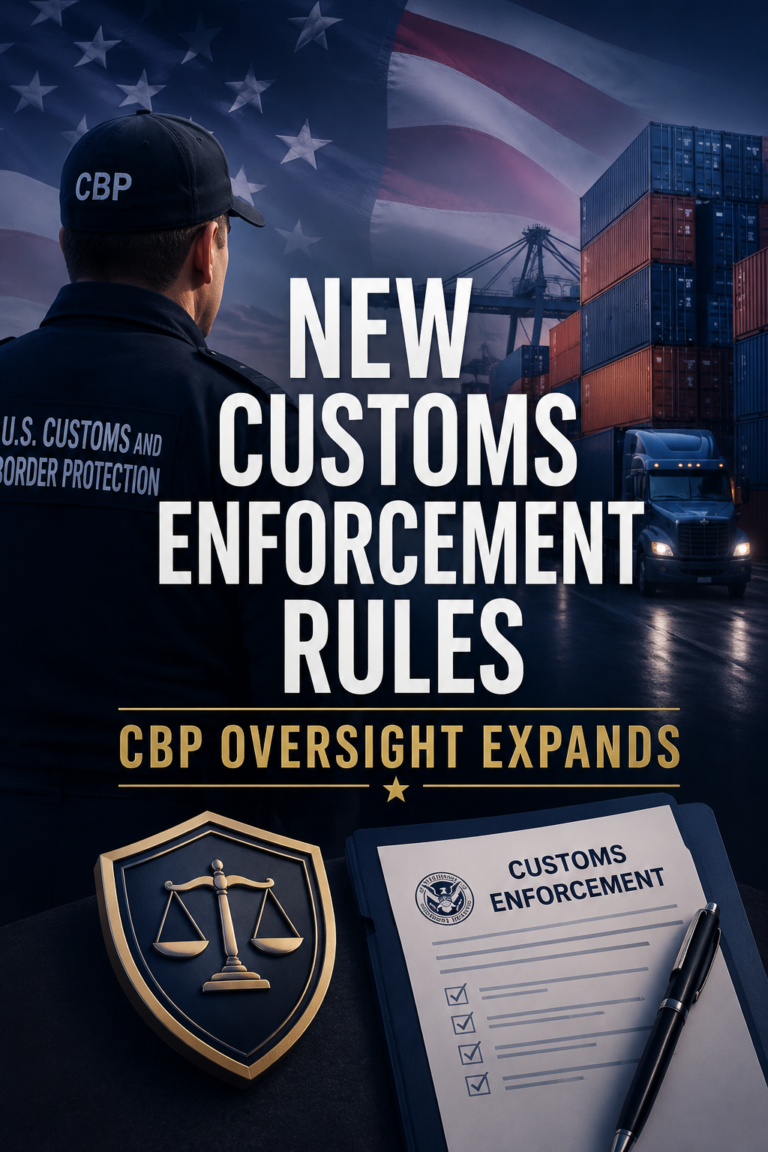
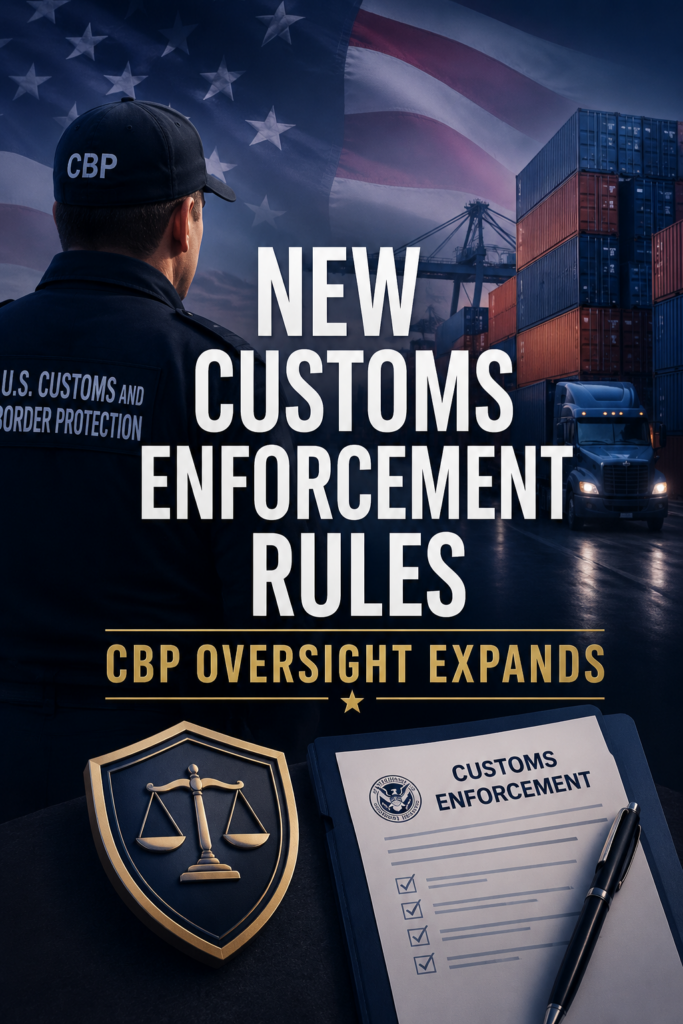
The Customs Enforcement Executive Order signed by President Donald Trump on June 3, 2026, could significantly change how importers and customs brokers operate in the United States. The Order expands CBP authority to strengthen importer oversight, increase supply chain transparency, tighten bond requirements, and improve customs enforcement.
While many implementation details still need to be released, customs attorneys and trade professionals say the Executive Order signals a major change in how CBP may evaluate importers, customs brokers, and supply chain compliance moving forward.
For importers, this could mean greater scrutiny, additional reporting requirements, stronger financial responsibility standards, and increased eligibility reviews to maintain importing privileges.
For customs brokers, the Order may lead to higher due diligence expectations and greater responsibility when onboarding importer clients.
In short, importing into the United States may become more compliance-driven than ever before.
What Does the New Customs Enforcement Executive Order Do?
The Executive Order gives CBP broader authority to improve trade enforcement and increase accountability across international supply chains.
According to CBP, the goal is to better protect:
- American consumers
- Legitimate businesses
- U.S. government revenue
- National and economic security
CBP Commissioner Rodney Scott stated that importing into the United States should no longer be viewed as an automatic right, emphasizing that companies must remain compliant to continue participating in U.S. trade.
That language matters.
Many trade professionals believe this signals a move toward a more risk-based importing system, where importer history, transparency, and compliance performance could carry greater weight than before.
Importers May Face Stricter Eligibility Standards
One of the biggest takeaways from the Executive Order is that who imports into the United States may soon matter more than ever.
According to CBP, importers—whether domestic or foreign—will be expected to provide greater transparency regarding:
- Ownership structure
- Business operations
- Supply chain information
- Beneficial ownership
- Corporate legitimacy
The administration also stated that foreign and domestic importers will be held to the same standards of accountability.
This could result in increased scrutiny of:
- Newly formed importers
- Shell companies
- Related-party transactions
- Foreign ownership structures
- High-risk supply chains
Legal analysis suggests CBP may begin applying stricter standards to determine whether companies are appropriate Importers of Record (IOR) and whether businesses remain in “good standing” to continue importing.
For companies using newly established entities, foreign-owned U.S. importers, or complex ownership structures, this could become an important compliance area to watch.
Customs Brokers Could Face Higher Due Diligence Requirements
The Executive Order also sends a strong message to customs brokers.
According to CBP, brokers will be expected to perform greater due diligence on importer clients.
While CBP has not yet released formal broker guidance, legal analysis suggests brokers may eventually be expected to strengthen:
- Importer onboarding procedures
- Know Your Customer (KYC) reviews
- Verification of importer legitimacy
- Ownership and identity checks
- Compliance risk assessments
For brokers, this may become one of the biggest operational changes in years.
Simply relying on importer-provided information may no longer be enough in higher-risk situations, especially if CBP increases scrutiny on importer legitimacy and beneficial ownership.
Bond Requirements Could Soon Increase
Another major change under the Executive Order involves Customs bond requirements.
CBP announced that bond rules will be updated with new minimums and stronger financial protections tied to importer risk.
According to the administration, the goal is to:
- Improve CBP’s ability to collect penalties and duties
- Prevent abuse of outdated bond thresholds
- Ensure importers remain financially responsible
- Protect government revenue
Although CBP has not yet released specific bond formulas or minimums, importers with elevated duty exposure should begin reviewing their bond sufficiency now.
This may especially affect companies importing goods subject to:
- Section 232 duties
- Antidumping and Countervailing Duties (AD/CVD)
- High-value imports
- Elevated enforcement programs
- High-duty tariff exposure
Companies operating close to their continuous bond limit may want to proactively evaluate whether their current bond amount remains sufficient.
Could Importers Lose Their Importing Privileges?
One of the strongest signals in the Executive Order is that companies failing to comply with customs laws may risk losing their ability to import into the United States.
CBP stated that importers must remain in good standing to continue importing.
While enforcement procedures are still unclear, this language suggests CBP may pursue stronger action against:
- Repeat violators
- Duty evasion schemes
- Fraudulent importers
- Shell companies
- High-risk foreign entities
Trade attorneys reviewing the Executive Order believe CBP may move toward a system where importer compliance history and business legitimacy play a larger role in import eligibility.
For many companies, customs compliance may no longer be viewed as just a filing exercise—it could become a requirement for maintaining access to the U.S. market.
What Importers Should Do Now
Although additional guidance is still expected, businesses should begin preparing now.
Review Your Customs Compliance Health
Take a closer look at:
- HTS classification accuracy
- Country of origin declarations
- Valuation practices
- Duty payments
- Entry procedures
- Recordkeeping and import documentation
Evaluate Bond Sufficiency
If your company imports goods with high duties or elevated enforcement exposure, now may be a good time to review whether your continuous bond remains sufficient.
Review Corporate Transparency Information
Importers should ensure ownership records, corporate structures, and business documentation are organized and readily available if CBP requests additional information.
Customs Brokers Should Review Importer Onboarding
Brokerages may want to begin strengthening importer onboarding and verification practices now before formal CBP guidance is released.
What Happens Next?
The Executive Order gives CBP broader authority, but many details still need to be implemented through future guidance and regulations.
Importers should expect additional announcements regarding:
- Bond requirement changes
- Importer eligibility standards
- Broker due diligence expectations
- Beneficial ownership requirements
- Importer-of-record standards
- Enforcement procedures
For now, companies involved in importing should view this as an early signal that customs enforcement is expected to become significantly stricter in 2026.
Want to stay updated? Visit our Trade & Tariff Updates page for the latest CBP enforcement and customs compliance developments.