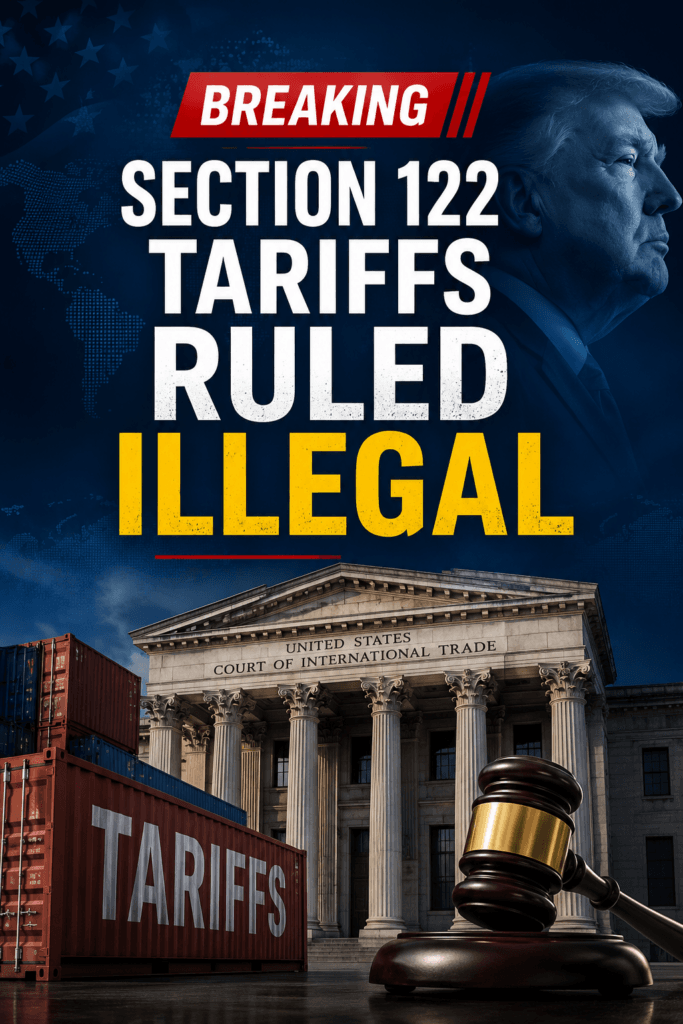

The U.S. Supreme Court is set to hear arguments on whether former President Trump’s use of the International Emergency Economic Powers Act (IEEPA) to impose global tariffs was constitutional.
Trump defended the move as a matter of national security, stating:
“If we don’t have tariffs, we don’t have national security… Tariffs have brought us tremendous national security.”
Even if the Court limits IEEPA-based authority, Treasury Secretary Scott Bessent indicated the administration would pivot swiftly to other legal tools, such as:
- Section 122 of the Trade Act of 1974 – allowing temporary 15% tariffs for up to 150 days.
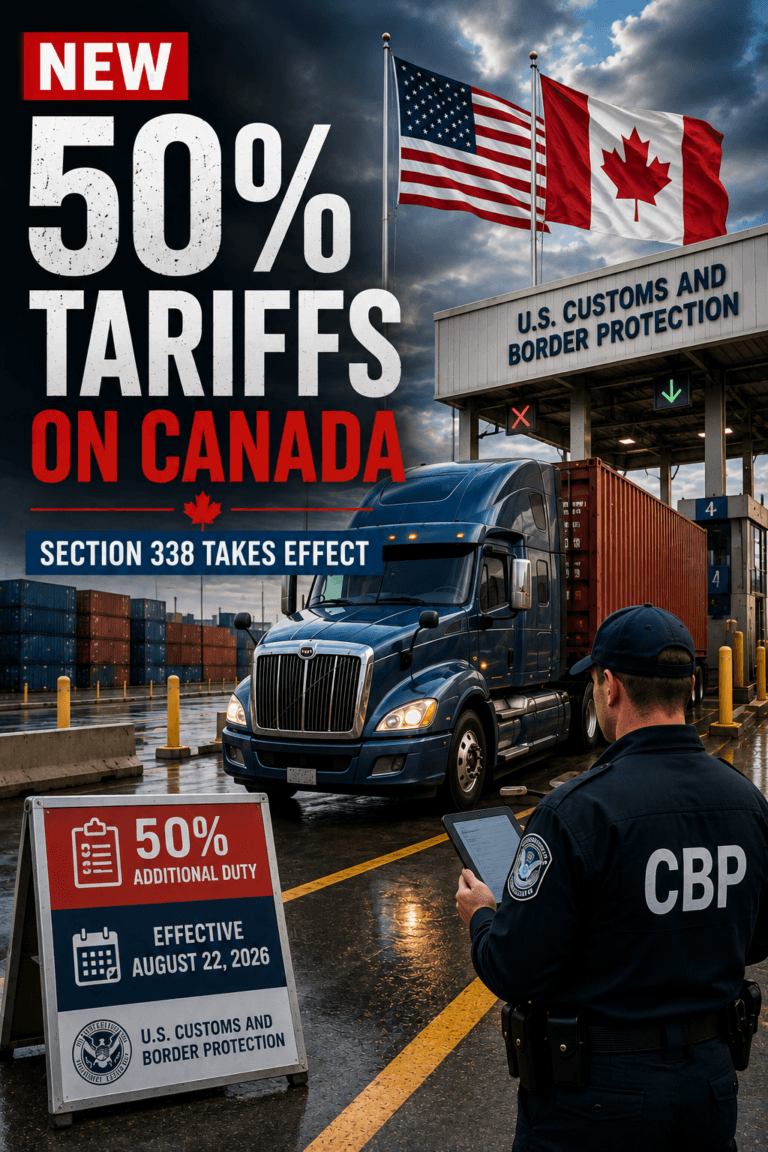
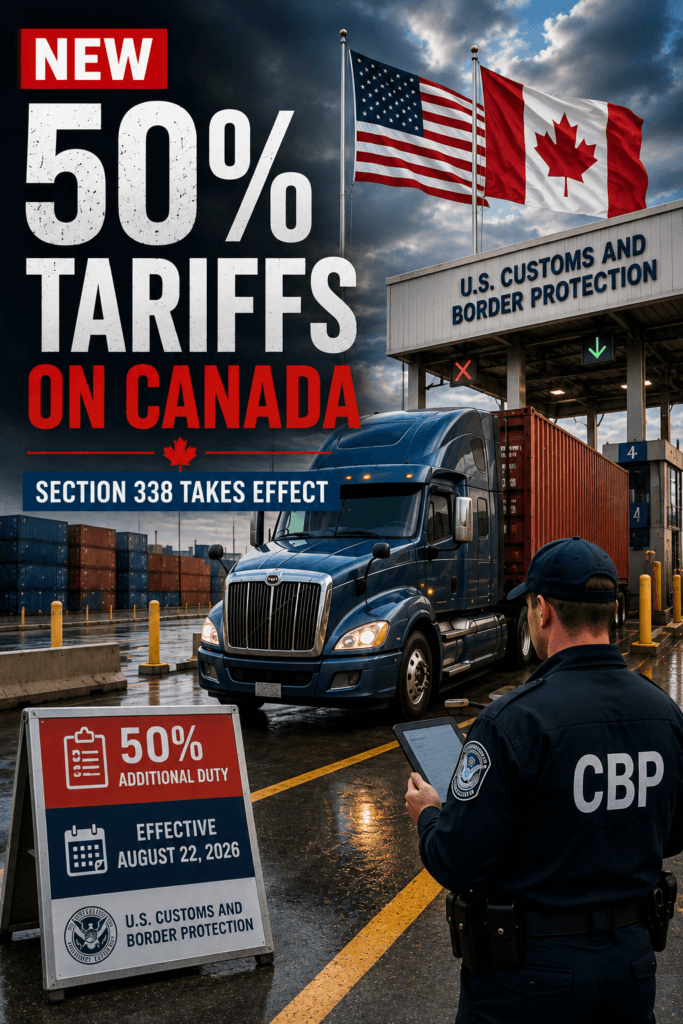
- Section 338 of the Tariff Act of 1930 – enabling up to 50% tariffs against discriminatory nations.
Bessent told Reuters, “You should assume that they’re here to stay.”
So far this fiscal year, IEEPA-related tariffs have generated over $100 billion in federal revenue — a major factor in both trade and budget planning.
Senate Pushes Back on Emergency Powers
Just ahead of the Court’s hearing, the Senate voted 51–47 to revoke the national emergency declaration that supports the current tariff framework.
Four Republicans joined Democrats, with Sen. Mitch McConnell warning:
“Tariffs make both building and buying in America more expensive. The economic harms of trade wars are not the exception to history, but the rule.”
Despite this vote, the House is unlikely to advance the measure, and the White House insists tariffs remain a vital negotiating instrument in trade talks across Asia.
New U.S.–China Deal Brings Short-Term Relief
Amid the legal and political debate, importers can expect short-term tariff relief following a new U.S.–China agreement announced this week.
According to the White House fact sheet:
- Tariffs on Chinese goods will drop by 10 percentage points on Nov. 10.
- Section 301 ship-docking fees will be suspended for one year.
- Intermodal chassis tariff hike paused for one year.
- Section 301 exclusions extended until Nov. 10, 2026.
China also committed to curbing fentanyl precursor exports, resuming U.S. agricultural purchases, and loosening rare earth export restrictions — a move the White House calls a “massive victory” for U.S. industry.
What Importers Should Do Now
- Expect short-term relief in landed costs due to reduced tariffs and suspended fees.
- Legal challenges may shift the framework, but tariff policies will continue under alternate statutes.
- Adjust shipment schedules to take advantage of the Nov. 10 rate reductions.