
In 2025, the U.S. government introduced several new trade rules and tariffs aimed at Chinese imports. These changes are still active and impact how Chinese goods enter the U.S. market.
Here’s a breakdown of what’s currently happening:
🔹 What’s Already in Effect?
1. 10% Tariff on Chinese Goods (Temporary)
On May 12, 2025, the U.S. agreed to lower tariffs on Chinese imports from 125% to 10% for 90 days as part of trade talks held in Geneva. This is only a temporary change and may not last.
2. Extra 20% Tariff Due to Fentanyl Crisis
Starting March 3, 2025, the U.S. added an extra 20% tax on certain products from China. This move is part of efforts to fight the fentanyl drug crisis, which has been linked to some Chinese exports.
3. Higher Taxes on Small Packages from China
As of June 1, 2025, small packages from China and Hong Kong now face much higher taxes:
Either 120% of the item’s value, or
A flat fee of $200 per package (whichever is higher)
Before June, the fee was $100 per package during a transition period in May.
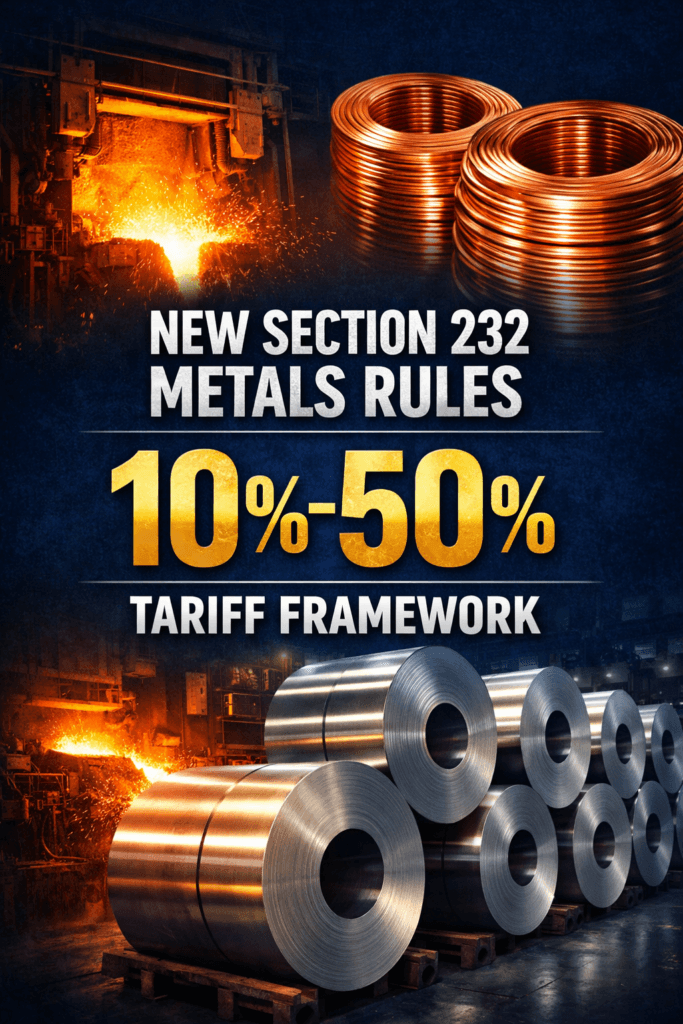
4. 25% Tariffs on Cars, Car Parts, Steel, and Aluminum
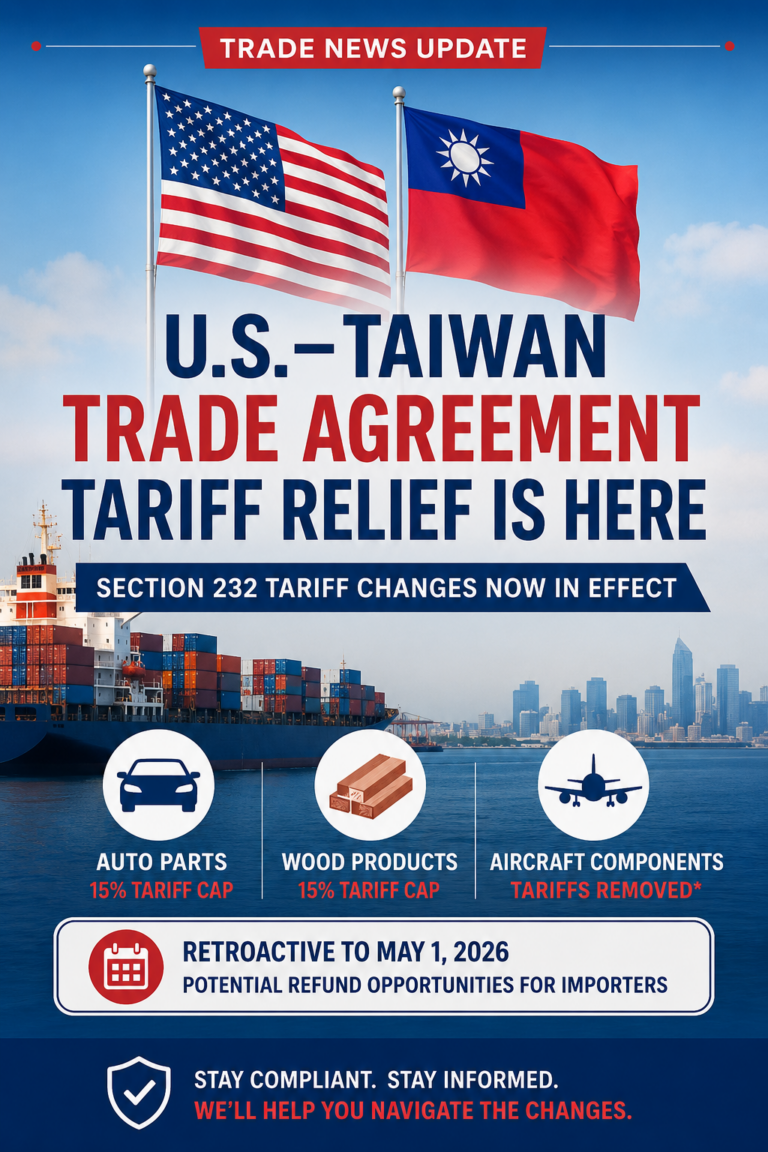
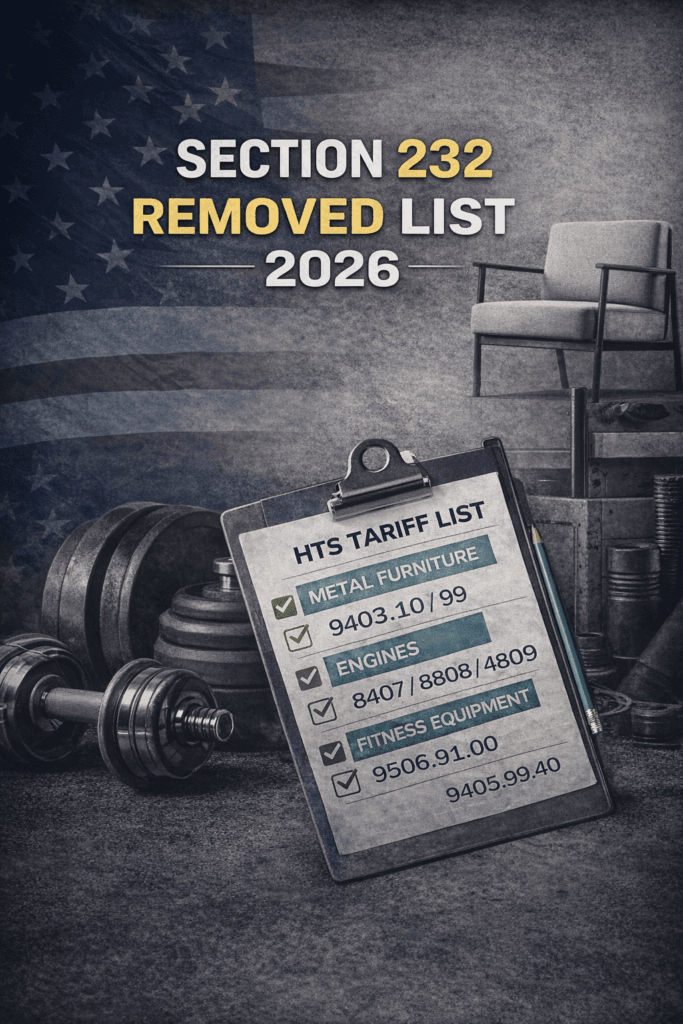
Between February and April 2025, the U.S. added 25% tariffs on a wide range of Chinese goods under a law called Section 232, which deals with national security. Here’s what’s affected:
Cars and trucks – 25% tariff from April 3, 2025
Car parts (like engines and electronics) – 25% from May 3, 2025
Steel products – 25% from March 12, 2025
Aluminum products – increased from 10% to 25% on March 12, 2025
These tariffs are meant to protect U.S. industries considered important for national security.
🔎 What Could Be Coming Next?
1. New National Security Investigations (Section 232)
The U.S. is currently looking into whether more Chinese imports pose national security risks. These investigations could lead to new tariffs. Here’s what’s being reviewed:
Planes and jet engines – since May 1, 2025
Trucks and truck parts – since April 22, 2025
Critical minerals (used in batteries and tech) – since April 15, 2025
Medicines and ingredients – since April 1, 2025
Semiconductors and chip-making machines – since April 1, 2025
Lumber and wood products – since March 1, 2025
Copper and related products – since February 25, 2025
Each review could take up to 9 months, and new tariffs may follow if threats are confirmed.
2. Investigations into Unfair Trade Practices (Section 301)
The U.S. is also investigating unfair trade practices and could take action:
Taxes on U.S. tech companies in other countries – being reviewed since February 21, 2025
China’s shipping, logistics, and shipbuilding sectors – under investigation since April 17, 2024
These cases could lead to more tariffs or other penalties on Chinese businesses.