

Importing a car into the United States is not just about shipping a vehicle overseas — it is a regulated customs process involving EPA emissions rules, DOT safety standards, import duties, and, in some cases, additional tariffs. Importers who overlook these requirements often face costly delays, storage charges, or even forced export of the vehicle.
Many importers assume that if a car can be shipped, it can be cleared. That assumption causes delays, storage charges, and in some cases forced export or destruction.
This guide explains the real requirements importers must meet before bringing a vehicle into the U.S., based on how the process actually works.
1. Importing a Car Into the United States: Vehicle Eligibility Comes Before Shipping
Before booking freight, you must confirm whether the vehicle is legally admissible into the United States.
The two most important agencies involved are:
- Environmental Protection Agency (EPA)
- Department of Transportation (DOT / NHTSA)
If the vehicle does not meet EPA and DOT requirements, CBP will not release it, even if all duties are paid.
EPA Compliance (Emissions)

Vehicles must meet U.S. emissions standards unless an exemption applies.
Common scenarios:
- Vehicles 25 years or older → generally EPA exempt
- Vehicles manufactured for the U.S. market → usually compliant
- Non-U.S. spec vehicles → often non-compliant
EPA compliance is typically proven using EPA Form 3520-1.
DOT Compliance (Safety Standards)
DOT focuses on crash safety, lighting, airbags, and labeling.
Key rule:
- Vehicles 25 years or older → DOT exempt
- Newer vehicles must meet Federal Motor Vehicle Safety Standards (FMVSS)
DOT compliance is declared on DOT Form HS-7.
⚠️ Missing or incorrect declarations are one of the top reasons vehicles get stuck at port. Check NHTSA for more details.
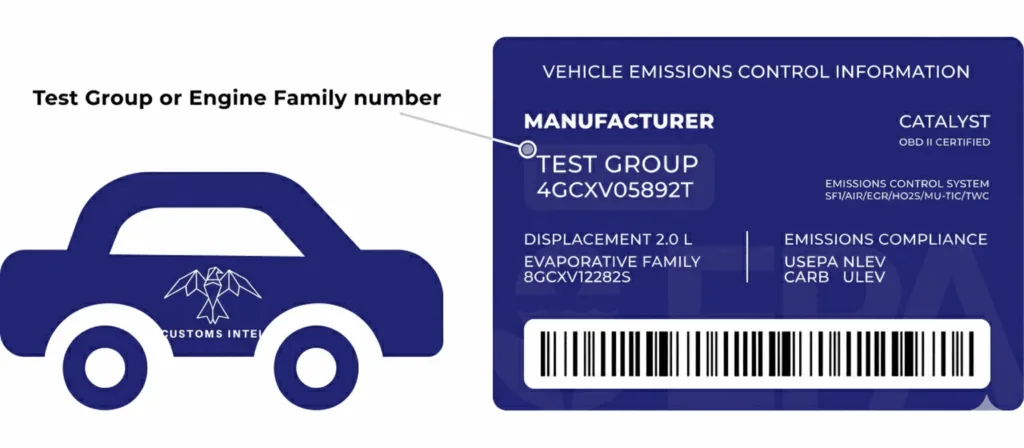
2. EPA & DOT Labels Are Not Optional
CBP officers physically inspect vehicles.
They look for:
- EPA emissions label (under hood or engine bay)
- DOT certification label (door jamb)
If labels are missing, damaged, or inconsistent with paperwork:
- CBP may hold the vehicle
- Importer may be forced to post a bond
- Vehicle may require re-export
Labels matter as much as documents.
https://www.epa.gov/importing-vehicles-and-enginesWhen importing a car into the United States, confirming EPA and DOT compliance before shipping is the most effective way to avoid customs delays. Check EPA for more details.
3. Customs Entry & Documentation Requirements
A vehicle import requires a formal customs entry.
Typical documents include:
- Bill of Lading
- Commercial Invoice
- EPA Form 3520-1
- DOT Form HS-7
- CBP Entry Summary (CBP Form 7501)
- Proof of ownership/title
- Importer of Record information
If the importer is not U.S.-based, a foreign importer bond is required.
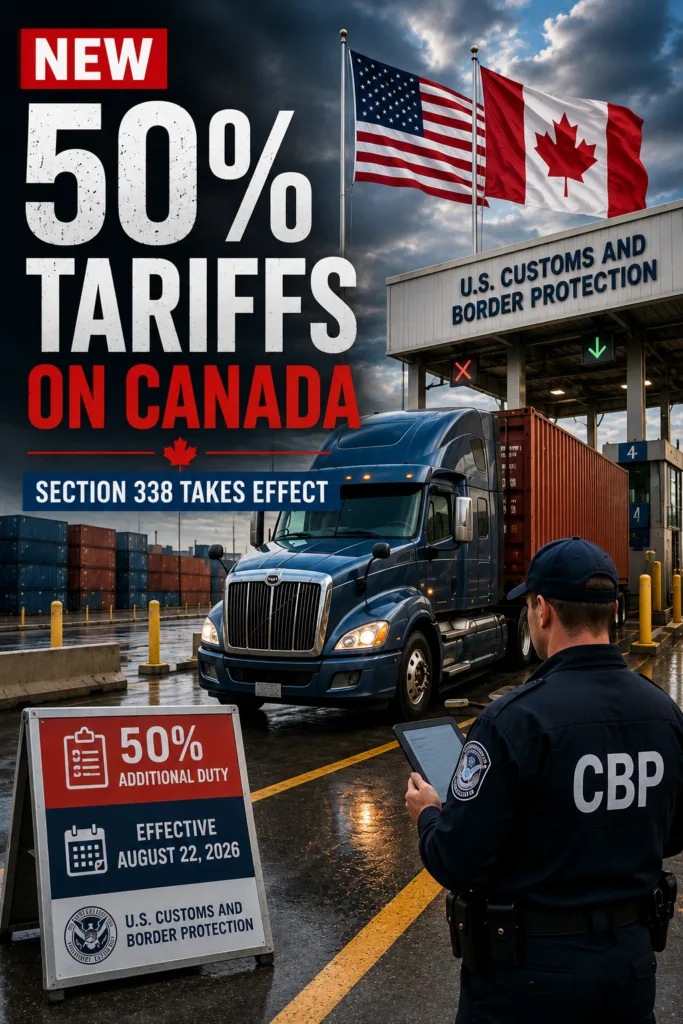
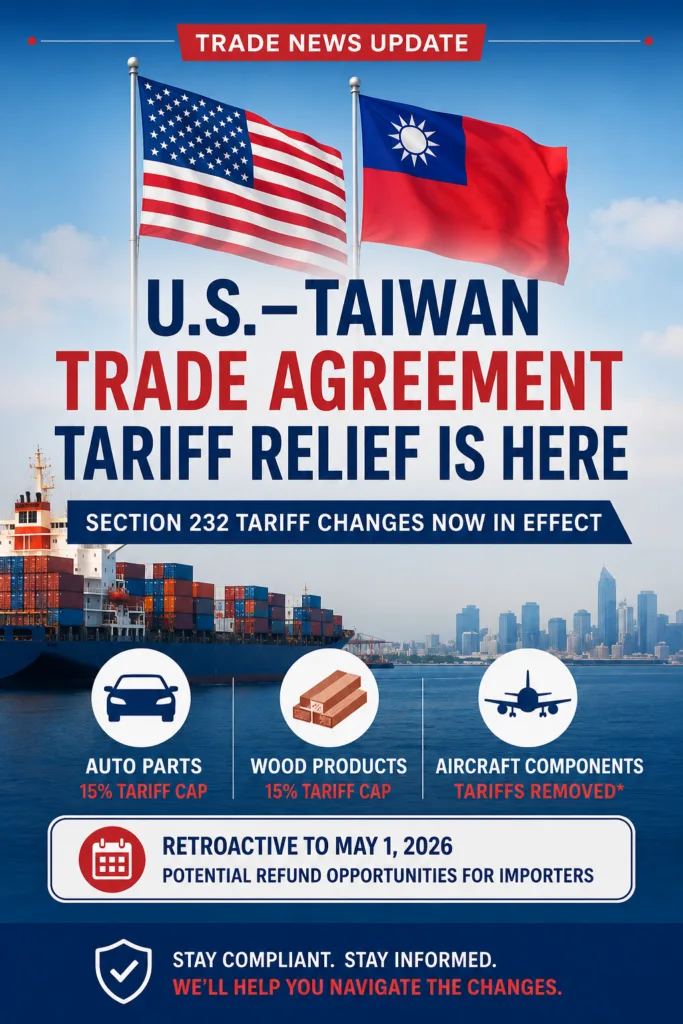
4. Duties, Taxes, and Section 232 Tariffs
Most passenger vehicles are subject to U.S. import duty, commonly:
- 2.5% for passenger vehicles
- 25% for trucks and certain commercial vehicles
In addition, some vehicles may be subject to Section 232 auto tariffs(mostly additional 25%), depending on classification, origin, and vehicle type. You can see the details here
Duties are calculated on the customs value, not just purchase price.
5. Gas Guzzler Tax: Often Overlooked, Sometimes Costly
The Gas Guzzler Tax applies to certain passenger vehicles that fail to meet minimum fuel economy thresholds set by the EPA.
Key facts:
- Applies mainly to cars (not SUVs or trucks)
- Based on combined MPG rating
- Vehicles above 22.5 MPG are not taxed
- Tax can reach several thousand dollars
This tax is assessed after import, and many importers do not budget for it.
6. Shipping Method Matters
Vehicles can be shipped using:
- Roll-on/Roll-off (RoRo)
- Containerized shipping
- Flat rack (for oversized vehicles)
Each method affects:
- Risk of damage
- Port handling
- Inspection frequency
- Insurance requirements
CBP inspections are more common for RoRo shipments, especially for first-time importers.
7. Common Mistakes That Cause Delays
From real-world clearance experience, the most frequent issues are:
- Assuming a vehicle is “25-year exempt” without verifying build date
- Missing EPA or DOT labels
- Incorrect HS classification
- Underestimating duties or special taxes
- Shipping before confirming admissibility
Once a vehicle arrives, options become limited and expensive.
8. Professional Guidance Is Not Optional for Vehicles
Vehicle imports combine:
- Customs law
- Environmental compliance
- Safety regulation
- Tax exposure
This is one of the highest-risk import categories handled by CBP.
Working with an experienced customs broker before shipping can prevent:
- Port storage charges
- Forced export
- Seizures
- Compliance penalties
Final Takeaway for Importers
If you are planning to import a car into the United States:
✔ Confirm EPA & DOT eligibility first
✔ Verify physical compliance labels
✔ Understand all duties and taxes
✔ Use the correct bond structure
✔ Do not ship before compliance is confirmed
Vehicle imports are manageable — but only when done correctly.
If you have any questions or concerns about importing a vehicle into the United States, contact us before your shipment moves. Early guidance can save thousands of dollars and weeks of delay.