
Supreme Court Delays Tariff Decision: What the January 9 Delay Means
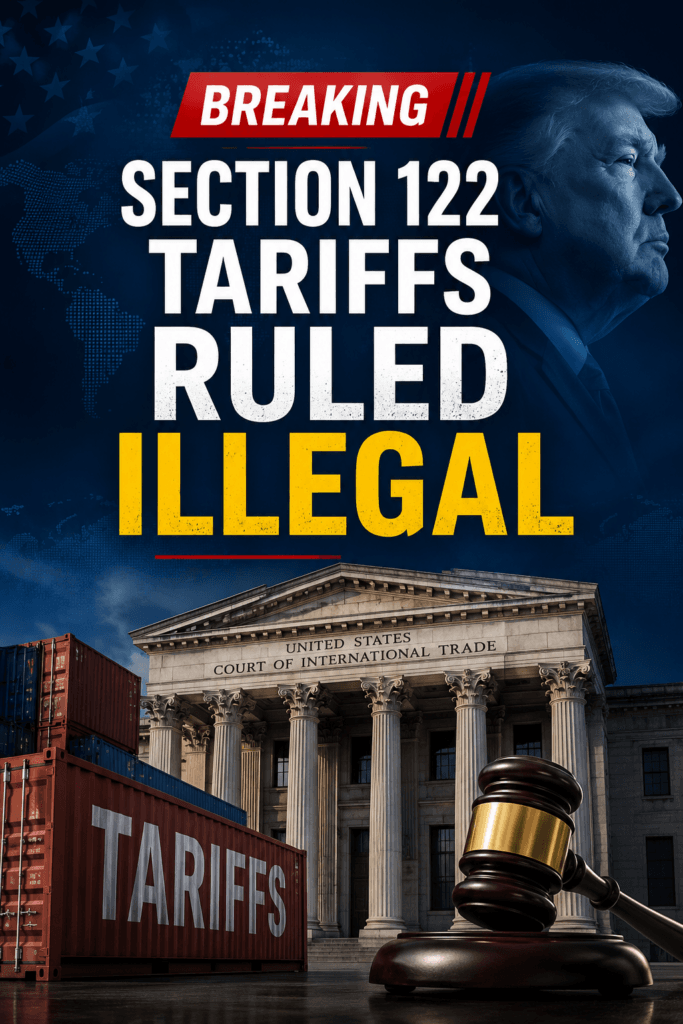
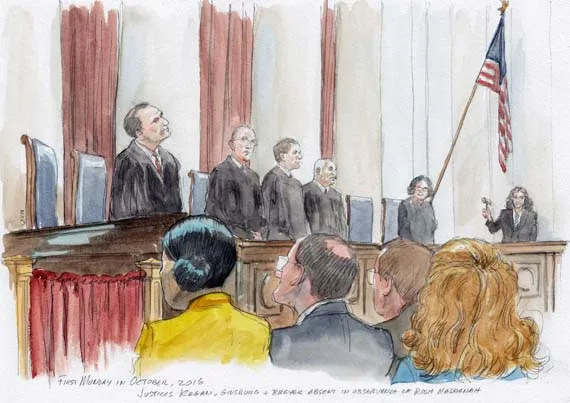
The Supreme Court tariff decision was expected on January 9, but the Court chose to delay the ruling.
Instead, the Court chose to delay the ruling, leaving companies, importers, and businesses uncertain about what happens next. Attention has now shifted to January 14, when the Court plans to release another round of decisions.
Why the Supreme Court Tariff Decision Was Delayed on January 9
In simple terms, the Court was not finished. Supreme Court decisions are only released when the judges fully agree on the wording and the final message. If they are still discussing details or adjusting the language, the Court will wait rather than rush out a decision.
This case is especially sensitive because it deals with tariffs introduced during the Trump administration. Those tariffs changed prices for many imported goods and resulted in companies paying large amounts of money at the border.
Some businesses are now asking for that money back, arguing the tariffs should not have been applied in the first place. Because of that, the judges are being careful. Their decision could affect not only past tariffs, but also how future presidents use trade powers.
The delay does not mean the case has been rejected. In fact, delays often mean the Court is working through disagreements or making sure the decision does not create unexpected problems later.
For businesses, the waiting period matters. Many companies are watching closely because once certain deadlines pass, refund opportunities can disappear. That is why even a short delay can have real financial consequences.
January 14 is now the next date to watch. While there is no guarantee a tariff decision will be released then, it is the next chance for clarity.
Until the Supreme Court tariff decision is released, businesses will continue operating under uncertainty.